
 Almaty region, Konayev, Industrialnaya str., 1/1
 MON-FRI: from 08:00 to 17:30


 Almaty region, Konayev, Industrialnaya str., 1/1
MON-FRI: from 08:00 to 17:30
Roof sandwich panels
Wall and roof sandwich panels straight from the factory. Delivery across Kazakhstan and the CIS.

23+
years on the market
9000+
completed projects
2000+ м²
produced per day
Delivery
across all of Kazakhstan
 Products
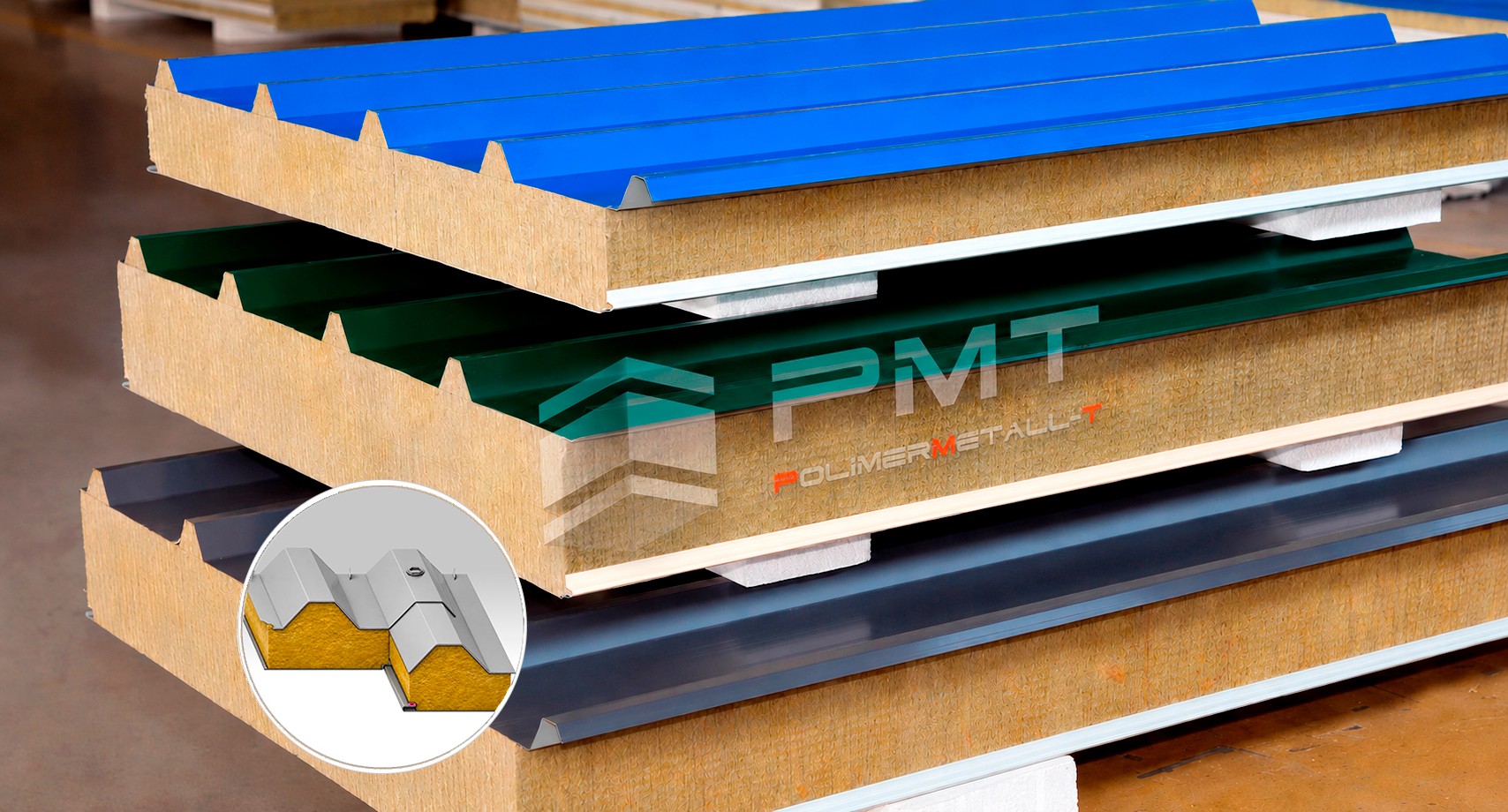
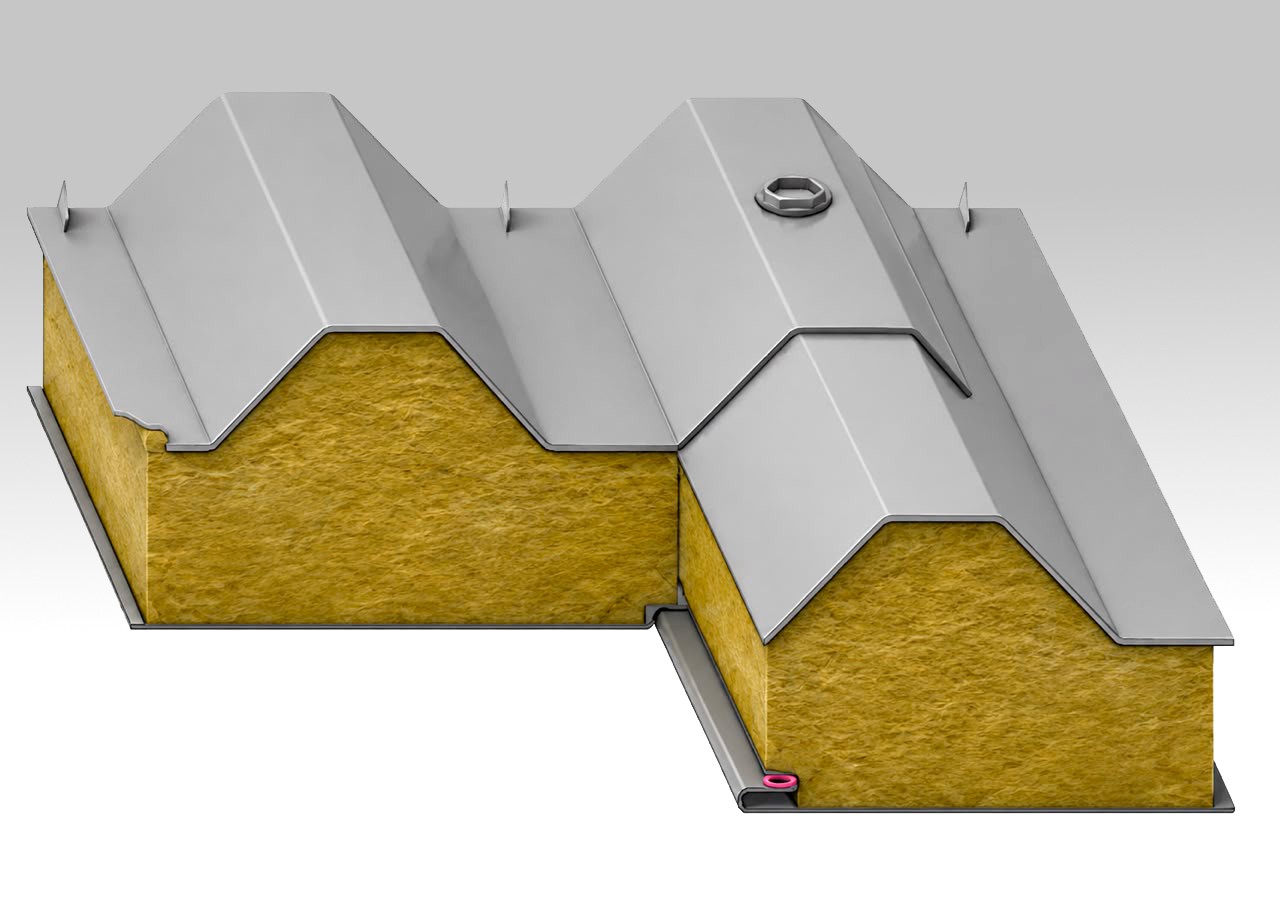
Roof sandwich panel ПТК-П2С-К-М
Roof panels are suitable for the construction and renovation of industrial, commercial, warehouse, agricultural, and other buildings. Their factory-ready design and ease of installation help reduce roofing installation time.
Original certificates
Let's calculate the cost of your project
Fill in a short form and our specialists will calculate the cost and contact you

Your request has been accepted!
We will contact you within an hour
Questions & Answers
Roofing sandwich panels are specifically designed for roofing and are engineered to withstand precipitation, wind, and snow loads. Their construction and the shape of the profiled outer metal facing provide the necessary rigidity and help ensure effective water drainage from the roof surface. Wall panels are designed for vertical installation and are not intended to be used as roofing.
Yes, in most cases, separate roof insulation is not required when using sandwich panels. The panel already contains a mineral wool insulation layer that provides thermal insulation. The required panel thickness is determined by calculation, taking into account the building's purpose, climatic conditions, thermal insulation requirements, and expected loads. With the right choice of construction, roofing sandwich panels allow you to create a ready-made insulated roof in a single installation stage.
Protection against moisture penetration is ensured by the design of the roofing panels, proper execution of the locking joints, and compliance with the installation technology. Particular attention is paid to sealing joints, connections, and areas where fasteners are installed. For reliable roof performance, it is important to ensure the correct slope, install the necessary flashing elements, and provide proper drainage of precipitation. The quality of installation directly affects the watertightness and durability of the roofing system.
The minimum permissible roof slope is determined by the building structure, roof slope length, climatic conditions, and project documentation requirements. During the design stage, the possibility of snow and water accumulation on the roof surface must be taken into account. The more complex the roof configuration and the higher the expected loads, the more important it is to perform a preliminary calculation. The exact roof slope is determined by the designer in accordance with applicable building codes and the specific characteristics of the project.
The service life of roofing sandwich panels depends on the quality of the materials used, the type of protective metal coating, operating conditions, proper design, and compliance with installation technology. With the right panel selection and professional installation, the roof can maintain its thermal insulation, protective, and performance characteristics for a long time. To extend the service life, it is recommended to periodically inspect the roof and monitor the condition of the protective coating, joints, fasteners, and connection points.